Timothée Chalamet's portrayal gives Paul Atreides a distinctive look that combines futuristic utility, desert practicality, muted colors, layered clothing, rugged textures, and minimalist silhouettes. Paul's wardrobe never looks like he's dressing for the sake of looking cool. Everything feels like it has a job.
We used Clotheme.ai to turn that inspiration into a real-world outfit — no movie costume department required.
⭐⭐⭐⭐⭐ Complete Outfit
The Paul Atreides Outfit
A Paul Atreides-inspired outfit built from real Amazon products — a wearable interpretation, not a claimed screen match.
Outer Layer
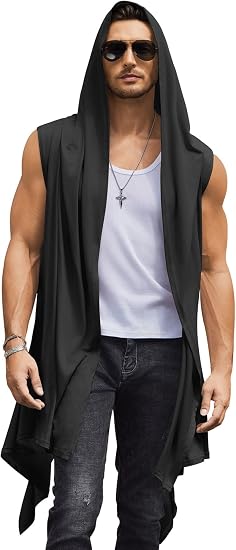
Long Hooded Open-Front Cardigan — Lightweight
Why it works: a draped, open-front layer that reads as utilitarian rather than tailored — the kind of piece that layers naturally over a vest without adding bulk.
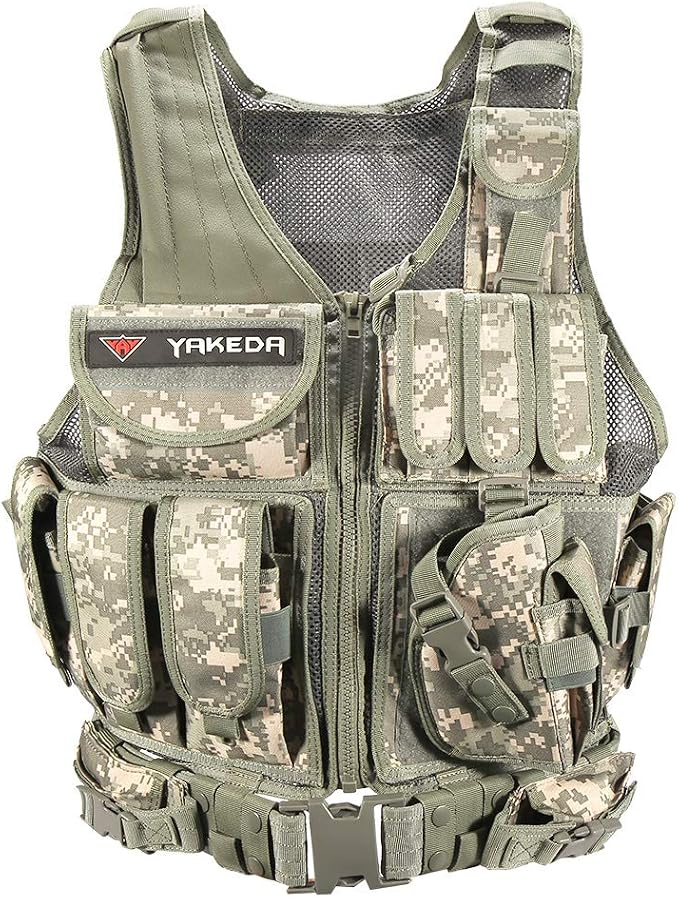
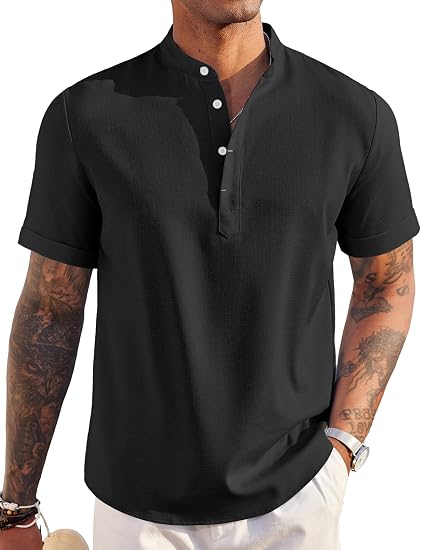
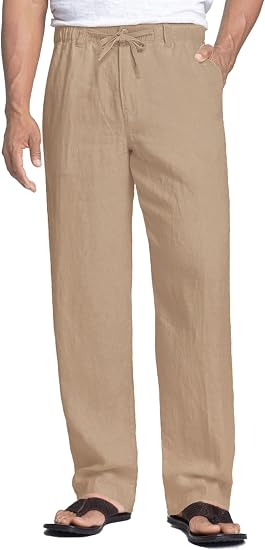
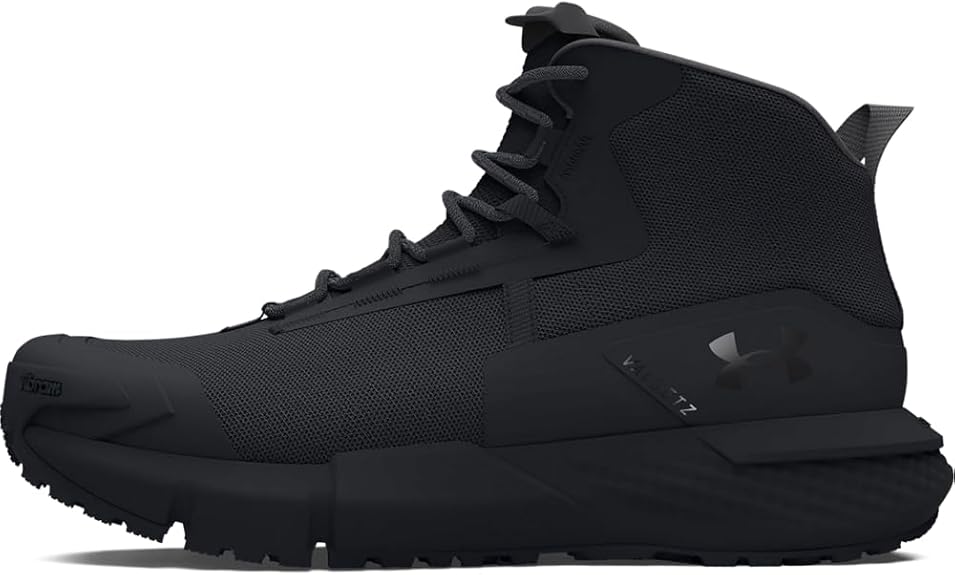
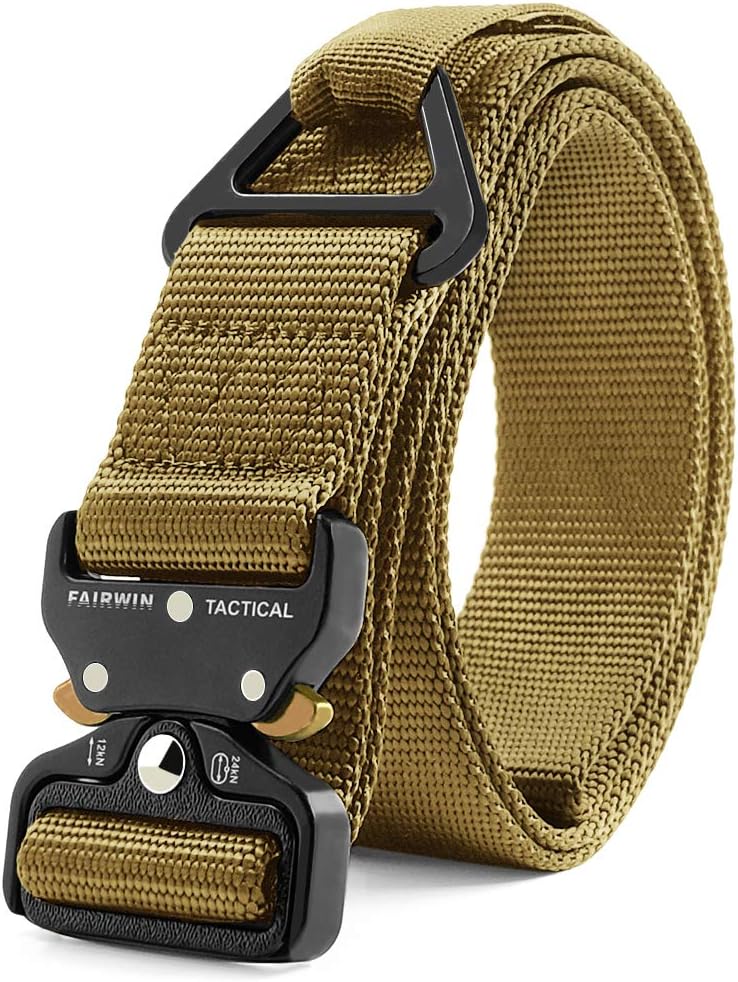
Every piece here earns its place through function, not decoration. The cardigan drapes like something meant to move in, the vest reads as gear, the henley is texture over pattern, the pants are loose rather than tailored, and the boots and belt are both built for use, not show. None of the six pieces is trying to be the loudest thing in the outfit — that restraint is the entire point.
Style Breakdown
What Is Paul Atreides' Style?
His clothing changes depending on where he is in the story, which is part of what makes the aesthetic interesting rather than a single fixed look. Fashion coverage of Dune: Part Two has specifically highlighted the film's sand tones, muddy greens, browns, and faded blacks, along with Paul's utilitarian and distressed clothing.
House Atreides / Caladan
Darker colors
Structured outerwear
Refined silhouettes
Military/utilitarian influence
Arrakis / Fremen
Sand and earth tones
Practical layers
Wrapped garments
Weathered, functional textures
Recreate It
How to Dress Like Paul Atreides
1. Start with muted colors
Black, charcoal, brown, olive, sand, beige, muted gray. Avoid making the look excessively colorful — desaturation is doing a lot of the work here.
2. Choose functional layers
Jackets, overshirts, utility layers, textured sweaters, structured outerwear — anything that looks like it has a purpose beyond decoration.
3. Keep the silhouette relaxed
The Dune aesthetic isn't about tight modern tailoring. Give the clothes room to move.
Wool, cotton, canvas, leather, distressed fabrics, ribbed knits — texture carries the look when color intentionally stays quiet.
Know the Difference
Paul Atreides Costume vs. Everyday Style
A costume might involve stillsuit-inspired pieces, Fremen elements, desert wraps, or sci-fi accessories built to replicate a specific scene. An everyday Paul Atreides outfit instead translates those ideas into wearable clothing — the muted colors and utilitarian layering without anything that would look out of place walking down a street.
Bigger Picture
The Dune Aesthetic
The Dune aesthetic has become recognizable well beyond the films themselves — desert minimalism, utilitarian clothing, muted palettes, futuristic silhouettes, rugged textures, understated luxury, functional layering. Fashion coverage has noted how the films' wardrobe overlaps with contemporary menswear and streetwear, particularly through muted palettes and oversized, deconstructed silhouettes — not because Paul is styled in modern brands, but because the underlying logic (function first, color quiet, texture doing the talking) already lines up with where a lot of current menswear is headed.
Character Context
Paul Atreides in Dune
Paul Atreides is the central character of Frank Herbert's Dune and is portrayed by Timothée Chalamet in Denis Villeneuve's films. In Dune: Part Two, Paul is navigating his transformation from an exiled member of House Atreides into a figure increasingly connected to the Fremen and the prophecy surrounding him — a journey that plays out as much in his wardrobe as anywhere else.
FAQ
Frequently Asked Questions
What does Paul Atreides wear?
Layered, utilitarian pieces in muted desert tones — a lightweight outer layer, a tactical or utility vest, a simple base layer, loose functional pants, rugged boots, and a practical belt. Nothing tailored or decorative.
How do you dress like Paul Atreides?
Start with muted colors, choose functional layers over anything fitted, keep the silhouette relaxed, add rugged boots, and lean on texture — linen, canvas, cotton — rather than pattern or print.
What is the Paul Atreides aesthetic?
Desert minimalism — utilitarian clothing, muted palettes, rugged textures, and functional layering that looks built for a purpose rather than styled for attention.
What colors does Paul Atreides wear?
Sand, beige, olive, charcoal, brown, and muted gray — desaturated tones that work equally well as House Atreides tailoring or Fremen desert wear.
What boots does Paul Atreides wear?
Rugged, tactical-inspired boots built for movement over polish. No specific real-world model is confirmed, so this guide uses a similar durable boot rather than claiming an exact match.
How can I recreate the Paul Atreides Dune outfit?
Layer a lightweight open-front outer piece over a utility vest and simple henley, add loose linen pants, rugged boots, and a functional belt — all in muted, desert-adjacent tones.
What is the Dune aesthetic?
A blend of desert minimalism and utilitarian futurism — muted colors, rugged textures, and functional silhouettes that has increasingly overlapped with contemporary menswear and streetwear.
You shouldn't have to hunt through hundreds of Amazon listings to recreate a fictional character's wardrobe. With Clotheme.ai, type a character, movie, celebrity, or aesthetic and the extension builds a complete outfit from real products.