Home / Style Guides / Michael Saylor Outfit
Michael Saylor Outfit: How to Dress Like the Bitcoin Executive
He runs the most famous Bitcoin treasury on earth, and he dresses like a bank's investor day. The Michael Saylor look is a dark jacket, a crisp white shirt and one very loud tie.
The boardroom uniform with one very orange tie.

Michael Saylor is one of the most recognizable faces in Bitcoin, and his clothing is almost aggressively conventional: a structured jacket, a crisp collared shirt, dark trousers, polished shoes. In a corner of the economy where founders show up in hoodies, that is the surprise. His look is a business uniform, not celebrity fashion.
The one deliberate wrinkle is the tie. It is orange, the color of Bitcoin's logo, worn over an otherwise Wall Street outfit. Below is a five-piece Michael Saylor outfit built from real Amazon clothing, with what to look for in each piece and why this particular look matters in October 2026. It is our inspired interpretation, not a claim about the exact garments he owns.
The Michael Saylor outfit, five pieces
Built by Clotheme.ai from real Amazon listings. Prices were listed on October 6, 2026 and can change.
-
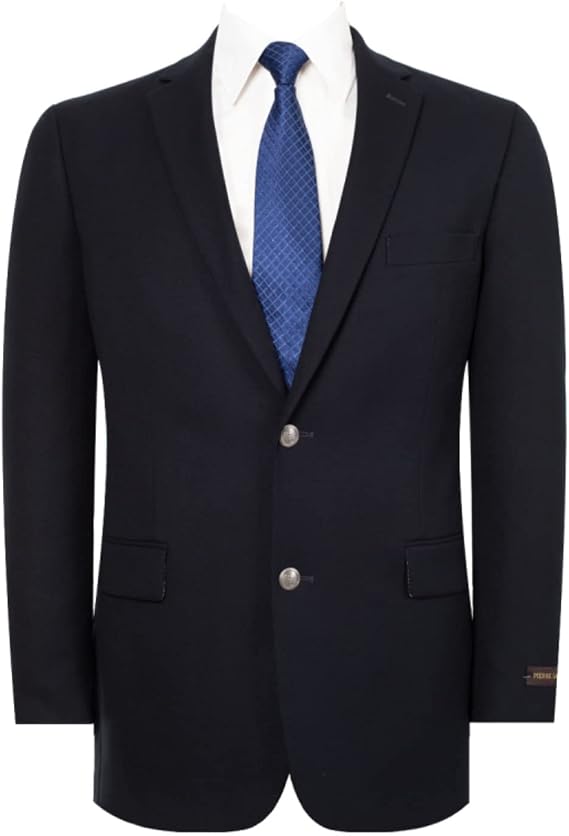
OuterwearMen's Blazer Classic Fit Stretch Suit Jacket, Big & Tall
The structured base of the look. Solid, dark, no decoration.
$74.99Shop on Amazon -
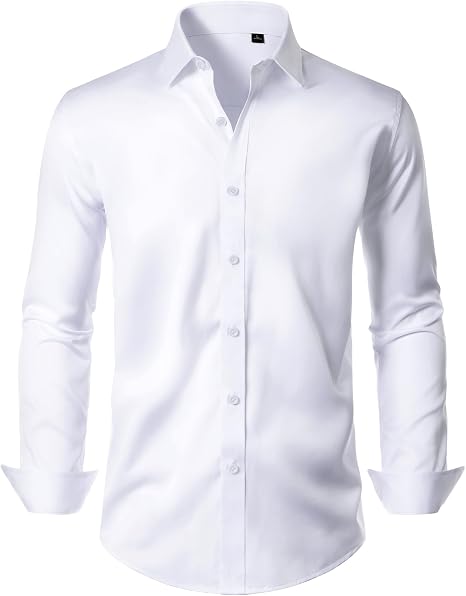
BaseMens Dress Shirt, Long Sleeve, Wrinkle Free Stretch Button Down
A clean white canvas so the tie is the only thing that speaks.
$13.29Shop on Amazon -
BottomMAGE MALE Men's Skinny Stretch Dress Pants, Slim Fit Suit Pants
Dark navy keeps the outfit in suit territory. Jeans would break it.
$19.99Shop on Amazon -
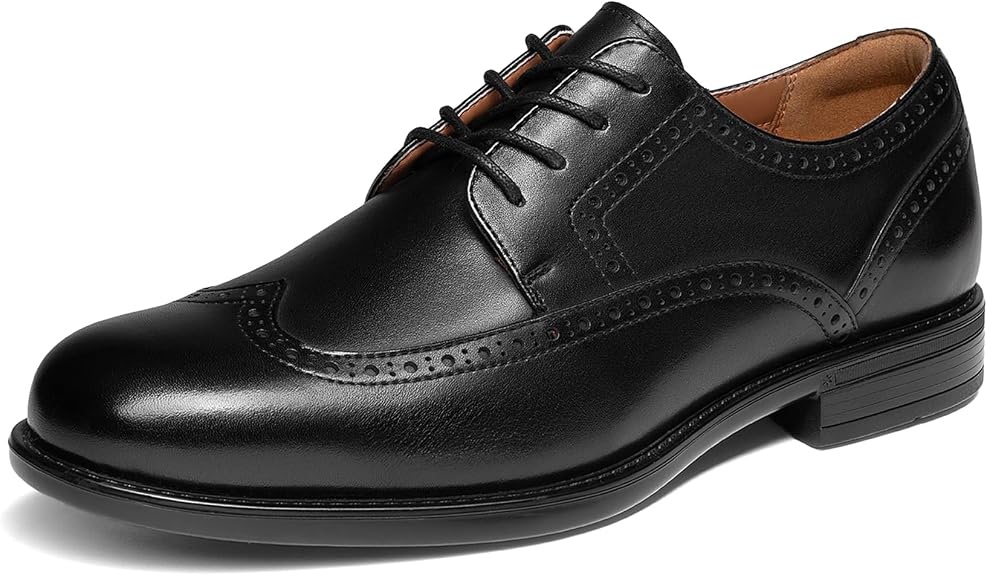
FootwearBruno Marc Men's Brogue Wingtip Oxfords, Leather Dress Shoes
Polished leather finishes the executive shape.
$59.89Shop on Amazon -
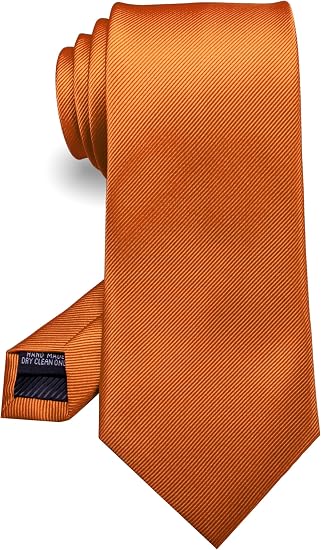
Accessory · The signatureRBOCOTT Solid Color Tie, Formal Necktie for Men (Orange)
The cheapest piece on the board and the one doing the most work.
$8.99Shop on Amazon
As an Amazon Associate, Clotheme.ai earns from qualifying purchases at no extra cost to you.
Who is Michael Saylor?
Saylor co-founded the business-intelligence software company MicroStrategy in 1989. The company rebranded as Strategy in 2025, and he is its founder and executive chairman. In August 2020 the company began buying Bitcoin as a treasury asset, and he became the loudest corporate advocate for the idea.
That bet is now enormous. Strategy reported holding 848,000 BTC as of October 4, 2026, roughly 4% of Bitcoin's 21-million-coin cap, after buying another 334 BTC. More on those numbers below. The short version is that the man, the uniform, the company and the asset have become one story.
What is Michael Saylor's style?
Take the Bitcoin out of the picture and what remains is a very traditional executive look: dark tailored jackets, white or light collared shirts, dark trousers, leather dress shoes, a tie, and almost no jewelry or visible logos. It reads like a bank's investor day, not a crypto conference.
That mismatch is the point. Bitcoin's critics call it a speculative outsider, and Saylor presents it the way a CFO presents a quarterly update. The clothes do a lot of that persuading before he says a word. The overall look is boardroom authority with one flash of Bitcoin orange.
Two caveats. He does not dress this way at every appearance, and we could not find a reliable source naming his tailor, his brands or any specific garment. So the split below matters.
Documented
- A conventional, dark business look: jackets, collared shirts, ties
- An orange tie as a recurring signature at Bitcoin-related appearances
- His own words in September 2026: "The orange tie stays" (CoinDesk)
Clotheme.ai's interpretation
- The five specific products on the board above
- Fit, color and shopping advice for each piece
- Not a claim that he owns or wore these exact items
Michael Saylor outfit breakdown, piece by piece
1. The tailored blazer
Structure is the whole job here. Look for defined shoulders, a notch lapel, two buttons and a length that covers your seat. Stretch fabric helps a $75 jacket survive a long day. Keep it a solid dark color: charcoal, navy or black all work. Skip patterns, shiny fabric and contrast trim.
One sizing note: this listing is a classic fit in Big & Tall sizing, which runs roomier than a slim cut. Check the size chart before ordering, and consider a tailor for the sleeve hems. That one fix upgrades a budget jacket more than anything else.
2. The white dress shirt
A crisp white shirt is the blank page that lets the tie speak. Choose a stiff enough collar to hold a knot, no pattern, no contrast cuffs. The shirt in our build is a wrinkle-free stretch button-down at $13.29. Steam it anyway. A pressed shirt is the cheapest way to look expensive.
3. The navy trousers
Dark navy works better than jeans or casual khaki chinos because it keeps the outfit in suit territory. The trousers and jacket do not have to match exactly. Slightly different shades read as deliberate separates.
Our pick is a slim-fit stretch cut. Because the blazer is a classic fit, you may want to size the trousers up, or choose a straighter leg, if you want a more traditional boardroom shape.
4. The black leather dress shoes
Polished leather shoes complete the executive shape, and scuffed sneakers undo it. These brogue wingtip Oxfords have decorative perforations, a little more personality than a plain cap-toe, which would be the strictest boardroom choice. Either way, keep them polished and wear dark socks that match the trousers.
5. The orange tie
This is where the outfit stops being generic. You do not need a Bitcoin logo on your tie. A single flash of orange against navy and white does the job, and it avoids turning the whole outfit into crypto merchandise.
- Go solid. Patterns compete with the message. A plain orange tie is the whole joke.
- Pick a saturated orange. A pale peach reads as a wedding. You want something closer to a traffic cone with good manners.
- Read the room. At a Bitcoin meetup it is a wink. At a bank interview it is a conversation you may not want to have.
How to dress like Michael Saylor without looking like a 1980s board meeting
- Keep the jacket fitted, not oversized. Shoulders should sit at your shoulders, and sleeves should show a sliver of shirt cuff.
- Stay with dark neutrals. Navy, charcoal and black for the jacket and trousers. The tie is your one loud choice.
- Keep the shirt crisp. Steam it, and replace it when the collar goes soft.
- Use one distinctive accent. The orange tie works because nothing else competes with it. No pocket square in a clashing color.
- Choose shoes that look like leather and stay polished.
- Avoid logos. Visible brand marks, lapel pins and watch faces the size of a coaster all dilute the uniform.
- Do not wear the merchandise. A tie is a nod to Bitcoin. A Bitcoin-print tie, a ticker pin and an orange blazer is cosplay.
Michael Saylor's style and the Bitcoin connection
Here is the contrast that makes the outfit interesting. The clothes are the most traditional thing about him. The strategy is one of the most unconventional corporate treasury plans in modern markets. The uniform tells you not to worry. The balance sheet says otherwise.
Those figures come from Strategy's report on October 5, 2026, as covered by Bitcoin Treasuries and Parameter. The latest purchase averaged about $85,800 per coin, so Bitcoin has clearly recovered into the mid-$80,000s.
That quote is the reason this guide exists. Calacanis compared Bitcoin to the CD in the age of Spotify. Saylor's reply, built around a $1.6 trillion market and its role in preserving wealth across generations, ended with a line about a tie. A rebuttal about an asset class only closes with a wardrobe line if the wardrobe means something.
None of this is investment advice. Bitcoin and Strategy's shares are volatile, and this guide takes no view on whether anyone should buy either. We are describing a cultural moment, not a trade.
Michael Saylor, Bitcoin and the AI-agent era
The technology conversation in 2026 has two halves, and Saylor sits on the seam between them. Bitcoin is the argument about digital money and digital capital: a scarce asset that moves at the speed of software. AI is the argument about digital intelligence and digital labor: software that does work.
The AI half has changed fast. A couple of years ago the story was chatbots that answered questions. In 2026 it is increasingly agents, systems that carry out multi-step tasks on their own: researching, booking, comparing, buying. The more of that work software does, the louder a second question gets: who owns the capital that all this digital labor produces?
That is the bridge Saylor keeps building. In an essay posted on X on September 27, 2026, he proposed five rights for digital assets, including the freedom to create them, hold them and move them between wallets and providers. He also argued that AI will automate jobs and make products obsolete, which means the economy will need far more new businesses, and he put a number on the ambition: 10 million new companies able to raise capital. He has also described Bitcoin as digital capital and AI as digital intelligence.
Whether you find that persuasive is up to you. The point for this guide is simple. The same person who talks about autonomous software and a new digital economy shows up in a navy-and-white boardroom outfit with an orange tie. The message is radical, and the packaging is deliberately familiar.
Why the Michael Saylor look is so recognizable
A personal uniform works like a logo you can wear. Repeat it enough and people can describe you without a photo. Plenty of tech and business leaders have done this with a single sweater, a plain tee or a black mock turtleneck.
Saylor's version has an extra trick. The accent color matches the asset's brand color, so the outfit and the message reinforce each other. A viewer who has never read a Strategy filing can still connect the orange tie to Bitcoin in one glance. That is hard to buy with advertising, and he gets it from a $9 tie. For the louder version of the same idea, see our Jensen Huang outfit guide, where a black leather jacket does the job the orange tie does here.
Michael Saylor outfit at a glance
| Piece | Recommended style | Our pick |
|---|---|---|
| Blazer | Dark, tailored, solid (charcoal, navy or black) | $74.99 |
| Shirt | Crisp white dress shirt, no pattern | $13.29 |
| Trousers | Dark navy, tailored, no denim | $19.99 |
| Shoes | Black leather dress shoes, polished | $59.89 |
| Tie | Solid orange, or a restrained warm accent | $8.99 |
Michael Saylor outfit: your questions answered
What does Michael Saylor usually wear?
At business and Bitcoin events he is typically seen in a dark, conventional business look: a tailored jacket, a collared shirt and a tie, often an orange one. He does not dress this way at every appearance, and we could not find a reliable source naming specific brands or garments.
How do I dress like Michael Saylor?
Start with a fitted dark blazer, a crisp white dress shirt, dark navy trousers and polished black leather shoes, then add a solid orange tie as your one accent. Keep everything else plain: no visible logos, no patterns, no Bitcoin merchandise. The five-piece build above costs about $177.
What kind of suits does Michael Saylor wear?
Reporting describes a dark, conservative business cut, but we found no reliable source naming his tailor, brand or fabric, so we do not claim one. The outfit here is an inspired interpretation: a solid, dark, structured blazer with navy trousers.
What is Michael Saylor's style?
A traditional executive look: dark tailored jackets, white or light collared shirts, dark trousers, leather dress shoes and minimal accessories, with a single orange tie as the Bitcoin-colored accent. The contrast with Strategy's unconventional Bitcoin treasury is part of why it is so recognizable.
Why does Michael Saylor wear orange?
Orange is Bitcoin's brand color, so an orange tie ties his clothing to the asset he advocates. He has not, in the sources we reviewed, given a formal explanation, but in September 2026 he answered a critic of Bitcoin with the line "The orange tie stays," as reported by CoinDesk.
What is Michael Saylor known for besides Bitcoin?
He co-founded the business-intelligence software company MicroStrategy in 1989, which rebranded as Strategy in 2025, and he wrote the 2012 book The Mobile Wave. Most people now know him as the most prominent corporate Bitcoin advocate.
What company does Michael Saylor run?
He is the founder and executive chairman of Strategy, formerly MicroStrategy. As of October 4, 2026, Strategy reported holding 848,000 BTC, roughly 4% of Bitcoin's 21-million-coin supply.
Sources
- Bitcoin Treasuries: Strategy buys 334 BTC and reports a $21 billion gain in Q3 (October 2026)
- Parameter: Strategy adds 334 Bitcoin to push holdings past 848,000 BTC
- CoinDesk: "The orange tie stays": Michael Saylor responds to a venture capitalist's bitcoin obituary (September 19, 2026)
- Cointelegraph: Saylor outlines bill of digital rights (September 27, 2026)
- CryptoRank: Michael Saylor says Bitcoin is digital capital and AI is digital intelligence
- Wikipedia: Michael J. Saylor (background)
More executive and suit guides
Type a name. Get the outfit.
Type "Michael Saylor," or any executive, actor or character, into the free Clotheme.ai Chrome extension and it researches the look and builds a shoppable outfit from real Amazon products.
Install FreeClotheme.ai is not affiliated with Michael Saylor or Strategy. This article is style commentary based on public reporting, not financial advice. Nothing here is a recommendation to buy or sell Bitcoin or any security.